
ACM Update 26-05-26
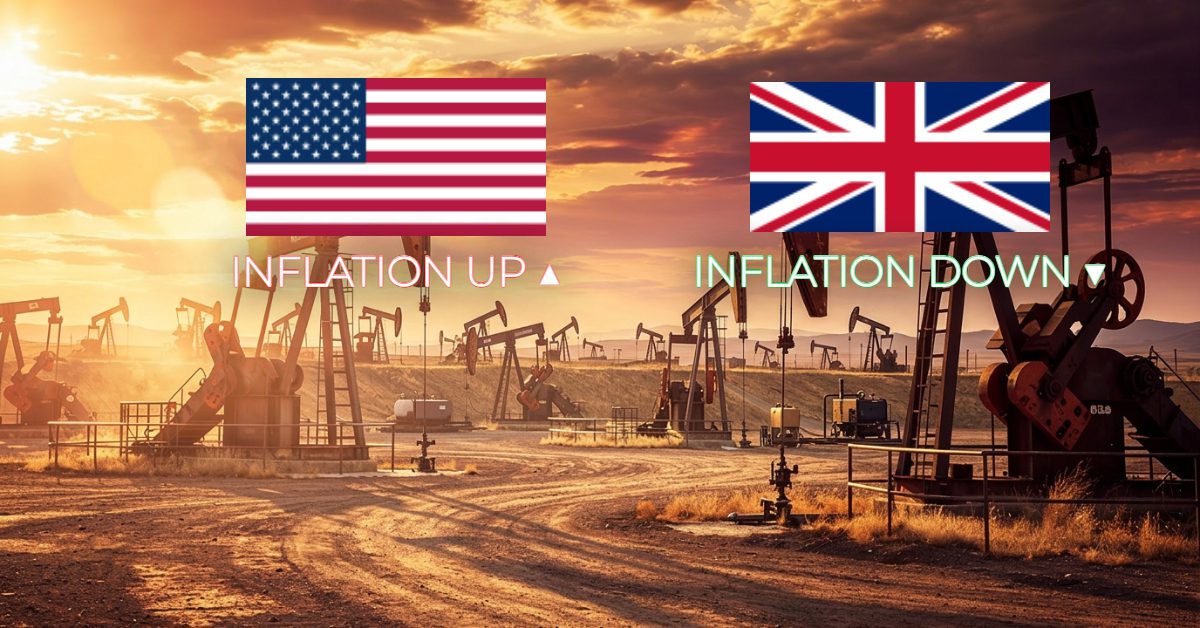
Last week saw the April inflation data from the US rise sharply, as American prices continue to increase. But the UK inflation figure wasn’t as hot as the bank holiday weather, cooling expectations for interest rate hikes in 2026. The Eurozone continues to deal with stagflation fears.
After yesterday’s bank holiday in the UK & US, the shorter week contains speeches from Bank of England and European Central Bank policymakers. The latest ECB meeting minutes are also published, as well as Core PCE inflation from the US.
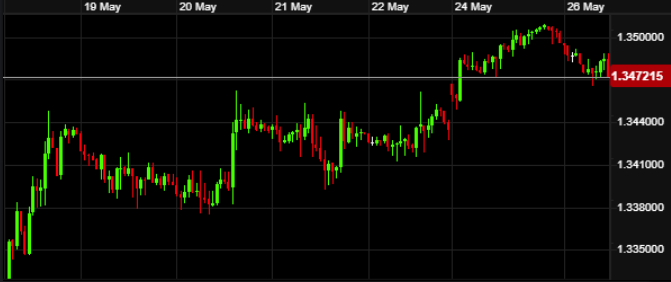
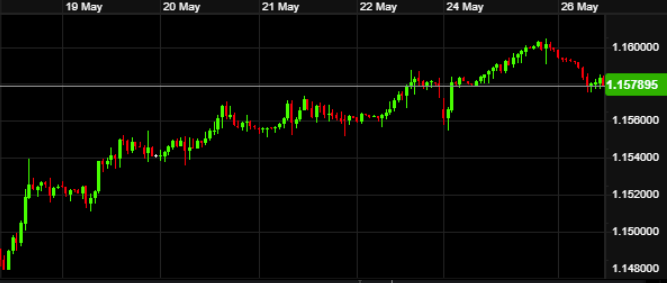
Despite a real mixture of data, the British Pound was the standout performer last week with gains against both the Euro and US Dollar. The currency traded towards the upper end of its yearly range against both currencies in the latter part of the week.
UK inflation data was the most significant release, which showed a drop to 2.8% in April, down from 3.3% in March. The figure was under the 3.0% forecast. Despite the good news, this was viewed as a temporary breather by markets.
The majority of the drop was attributed to a fall in the energy price cap in April, which offset the fuel price pressures linked to the war in the Middle East. This helped bring prices down as a one-off but will not deliver a sustained fall in the UK cost of living. Markets still predict UK inflation to hit 4% later in the year due to pressures on energy supply chains.
One concerning piece of information was the UK unemployment data. This showed a move up to 5.0% for the three months to March, up from 4.9%. The number of job vacancies also fell by 28,000. These are further signs of pressure on the jobs market from the Iran conflict. Released simultaneously, average earnings (wage growth) sat at 3.4%, which is now the slowest pace of growth since 2020.
Soft inflation and jobs data led to a readjustment of Bank of England rate predictions for the rest of the year. In the early stages of the Iran conflict, expectations were for as many as four BoE rate hikes but the data releases of last week meant such bets cooled significantly. The recent “higher for longer” mantra is now more widely expected to remain, with the 18th June meeting now projected as a hold in policy.
Other UK data releases also came from PMI figures and retail sales. Both were disappointing, with retail sales dropping by a monthly -1.3% in April. The PMI figures for the large Services sector dropped to 47.9 and thus into contraction territory for the month. This caused concerns about the wider UK economy as a result.
Why did the PMI figures not impact GBP very much? Purely on the basis that the equivalent Eurozone figures were equally awful.
Some sense of political stability also helped the Pound, as the battle for 10 Downing Street seemed to slide out of headlines, if only temporarily. The unwinding of that political stress boosted the currency, as well as the sell-off in UK government bonds cooling as their prices levelled off. Government borrowing continues to rise though.
There were a number of speeches from Bank of England policymakers, but these caused little impact. Movements on GBP-USD last week can be seen below:
Inflation was also the hot topic in the US last week, but the news wasn’t as good there. Despite Donald Trump’s pledges to reduce the cost of living, American prices are continuing to rise off the back of the Iran war. The recent disinflationary trend seems to be very much over.
Both wholesale (PPI) and consumer (CPI) inflation figures showed cause for alarm. April PPI inflation was recorded as 3.8% for the month, up from 3.3% in March. The well-publicised closure of the Strait of Hormuz has strongly impacted US prices, with fuel (gasoline) now having climbed nearly 50% in the last couple of months. PPI figures also surprised markets by climbing to 6% year-on-year, which was a three-year high.
The above two data releases led to a re-evaluation of interest rates to come throughout 2026 from the Federal Reserve. Expectations for 2026 have now shifted to remove any expectations of rate cuts, whilst there is now a 30-40% likelihood of a rate hike at some point instead. This offered some support to the greenback.
A de-escalation in the Middle East last week saw a cooling of the Dollar’s safe haven demand. Oil prices dropped off somewhat too, which also weakened the USD. Into the new week though, that positivity now looks to only have been temporary amidst further US strikes.
The latest Federal Reserve meeting minutes were published last week. These were from the fractured meeting at the end of April and reaffirmed the hawkish narrative delivered at the time. They also confirmed the four policy dissenters, the highest number since 1992.
The notes showed that rate hikes would “likely become appropriate” if inflation continued to run persistently above 2%. This also confirmed the removal of the “easing bias” of moving towards cuts. Geopolitical anxiety was strongly evident.
The three camps of hawkish, pause and dovish were evident from the minutes. The third of those being a shrinking minority. What is clear is that incoming Fed Chairman, Kevin Warsh, has an incredibly divided committee on his hands.
Eurozone data was limited, and what there was, wasn’t great. As already alluded to, the PMI releases for the bloc were far from glorious, with a slowdown in the data. A divergence in growth output from many other major economies is becoming evident through further sluggish GDP figures too. This continues to lead to further stagflation fears as the bloc reels from high energy prices.
The opposing directions of inflation and growth will leave the ECB in a quandary at their next meeting. Raise interest rates to attempt to squash inflation, or leave them as they are to encourage spending and support growth. In reality, with the inflation being supply-led, a rate hike is unlikely to have much impact even if it is implemented.
In positive news, the latest Bundesbank monthly report showed reasons for positivity. It suggested the German economy recovered quite quickly in Q1, proving more robust than expected. War-driven inflation clouds the ongoing outlook however, with fuel and energy prices on the rise.
Overall, the Euro held ground versus the US Dollar but weakened versus Sterling. Movements on GBP-EUR can be seen below:
The week ahead:
Tuesday – US Consumer Confidence (15:00)
Wednesday – AUS CPI inflation (02:30), RBNZ rate announcement (03:00), ECB Financial Stability Review (09:00)
Thursday – BoE Lombardelli speech (03:25), ECB Lagarde speech (08:20), BoE Breeden speech (09:05), ECB Meeting Minutes (12:30), US Core PCE inflation (13:30)
Friday – German CPI inflation (07:00), Spanish CPI inflation (08:00), BoE Bailey speech (09:20)
A shorter week to close out May then, with market data generally thin on the ground. From the UK, US & Eurozone, there will be one or two significant events each across the latter part of the week.
In Europe, Thursday contains the majority with a Christine Lagarde speech and the minutes of the previous ECB meeting. Either of these could give some indication as to what to expect from June’s ECB policy decision, but the President’s press conference will give the more up to date sentiment. She speaks at an event in Cambodia.
There is also inflation news from Germany and Spain on Friday morning. The former economy is trying to sustain recent growth, whilst the latter has inflation rising but still strong growth.
UK news features a few speeches from Bank of England policymakers, but the main event will be Andrew Bailey’s on Friday morning. This randomly takes place at the “Reykjavik Economic Conference. Given the hawkish stance of the last meeting, but recent softer data, will the rhetoric still be leaning towards a June rate hike? An important press conference for clues.
The US news begins the week with Consumer Confidence data today (Tuesday), which is likely to show further falls. Core PCE inflation is the main event though on Thursday lunchtime. This is the Federal Reserve’s preferred inflation-measuring index, which will be important to show how badly price increases are filtering through the economy.
So a slightly quieter week to end May, but one which could well contain significant events. Get in touch with the Aston team if you have upcoming trade requirements to be discussed.
Have a great week.
