
ACM Update 18-05-26
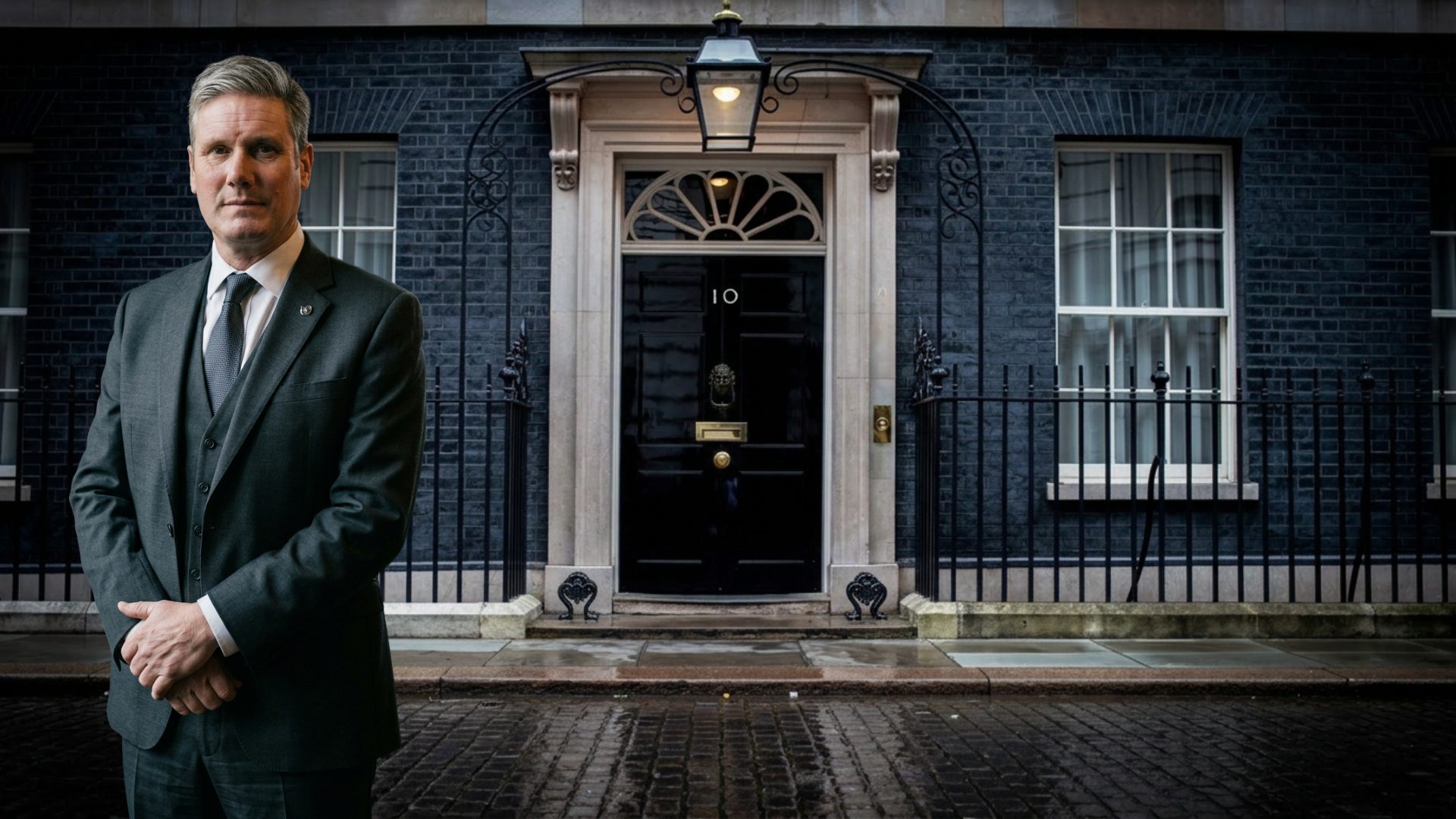
Despite robust UK data, Sterling lost over two per cent last week due to the ongoing Starmer drama. Donald Trump & Xi Jinping’s summit in China led to flows back into the safe haven Dollar, boosting the currency throughout the week. US inflation data from April posted a sharp rise.
The coming days will confirm if inflation is hitting as hard in the UK & Eurozone with CPI data from both on Wednesday. We will also see the minutes from April’s divisive Federal Reserve meeting. Meanwhile, the UK PM fights on...
It was a better week for UK economic data, but the same can’t be said for the country’s Prime Minister. Sir Keir Starmer continued to deal with the fallout from the disastrous local election results for Labour the previous week, ending up with an assortment of resignations and questions about his leadership.
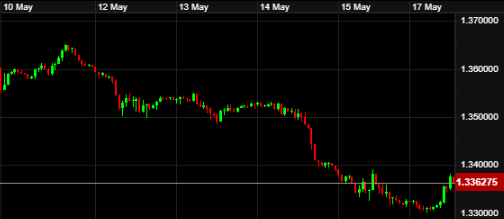
Naturally, this uncertainty was very bad news for the British currency, which lost over 2% in the week against the US Dollar. UK government borrowing costs hit a fresh 18-year high in the process as a lack of confidence spiralled. The borrowing spike dates all the way back to the financial crisis.
Potential leadership candidate Andy Burnham is seen by markets as a factor which could lead to increased borrowing. The Manchester mayor is viewed as the least “market-friendly” option, whilst news related to Wes Streeting is harming the Pound less so.
This overall uncertainty has weighed heavily on GBP, in a week that has been as tough for the currency as it has been for the PM. Amidst the political instability, positive market data was released which went largely under the radar.
The UK economy unexpectedly grew in March, the first month of the Iran war. Expansion of 0.3% was recorded, leaving the overall Q1 growth at 0.6%. This indicates a significant uptick on the final quarter of 2025 which stood at just 0.1%. The Office for National Statistics attributed this mainly to growth in retail and construction.
Naturally the UK Chancellor Rachel Reeves was pleased with her efforts, declaring the growth showed the Government had the “right economic plan”. She also warned any sort of Labour leadership contest would risk “plunging the country into chaos” however. Reeves will also be proud that the 0.6% is the highest of all the G7 countries to have reported Q1 data (so far)….
The good news went largely under the radar though given the Downing Street turbulence. The data was arguably positive for the Bank of England though. Robust economic growth is unlikely to put any pressure on the BoE to cut interest rates any time soon. It also offers the possibility of putting interest rates up, if inflation continues to spiral as a result of the Iran war.
Movements on GBP-USD last week can be seen below:
Inflation news for the US came in very hot last week. Energy and fuel price shocks are impacting the American market considerably, which was on show in the April data. CPI inflation (consumer prices) shot up to 3.8% in the month, even higher than market estimates. This was also the fastest pace of CPI inflation since March 2023.
Energy prices were recorded as having jumped by 17.9% annually, fuel (gasoline) up 28.4% and oil up 54.3%. Naturally these are all directly attributable to the conflict in the Middle East.
Producer prices for raw materials also showed a considerable rise in the equivalent PPI data. These saw a monthly surge of 1.4% and an annual rise of 6.0% in a likely sign of things to come for end consumers. The PPI figure is usually a leading indicator on headline inflation, meaning we could well see US CPI hit the six per cent mark over the coming months. Especially if oil prices continue on their current upward trend.
The hot data led to markets completely pricing out any US interest rate cuts throughout the remainder of the year, causing further Dollar strength. In fact, markets are now pricing in a 50% chance of at least one Federal Reserve rate hike by the end of the year, which caused a considerable boost in speculative demand for the Dollar.
Treasury bonds also skyrocketed in the US to their highest in nearly a year. Such a move was an outlier to many other major economies, making the Dollar attractive to foreign investors looking for yield. Resilient consumer spending data in the form of retail sales, continued to add to the attractiveness of the Dollar.
To round things off, the high profile-meetings between President Trump and the Chinese President XI Jinping seemed to provide a more optimistic outlook. Without major substance, the talks seemed to provide a stable footing for trade relations, which was further good news for the Dollar. All in all, a very strong week for the greenback.
To cap things off, the Federal Reserve now officially has a new Chairman. Kevin Warsh won a tight vote, 54-45 on Wednesday. For now, Jerome Powell remains temporarily in charge until the newcomer is officially sworn in, likely at the next Federal Reserve meeting. He will have to deal with inflation and a heavily divided committee.
In Europe we saw a contrasting Q1 of growth to the UK, finishing up with just 0.1% for the period. The Germany economy at least managed to produce 0.3% expansion in the quarter, whilst the French economy flatlined. Ireland’s data was the most alarming, seeing a -2.0% contraction in Q1 alone. Looking annually, the biggest growth came from Cyprus (3.0%), Bulgaria (2.9%) then Spain (2.7%).
We heard from the two most senior members of the European Central Bank last week also. Both commented that a rate hike in June was “highly likely” with the panel leaning towards raising interest rates. They suggested that the previous “wait and see” scenario should not be mistaken for hesitation.
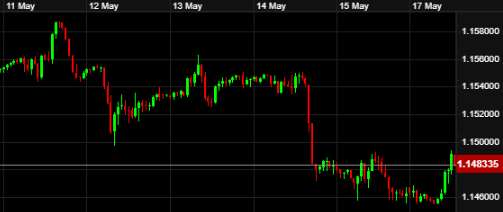
Both also noted that the ECB had now moved more towards their adverse scenario, away from the more baseline forecast. Joachim Nagel went as far as stating that two near term interest rate rises are now built into his expectations. These comments led to Euro strength, primarily versus the Pound.
Overall, the Euro lost ground to the US Dollar strength, but gained versus GBP as seen below:
The week ahead:
Monday – BoE Greene speech (08:35), BoE Mann speech (09:30), G7 Meetings
Tuesday – UK Unemployment (07:00), BoE Breeden speech (09:10), EU Trade Balance (10:00)
Wednesday – UK CPI inflation (07:00), EU CPI inflation (10:00), Fed Meeting Minutes (19:00)
Thursday – UK/EU/US Manufacturing & Services PMI (08:15-14:45), BoE Taylor speech (13:00), EU Consumer Confidence (15:00)
Friday – UK Retail Sales & Government Borrowing (07:00), US UoM Consumer Sentiment (15:00)
A brief reminder to our clients that the Aston offices will be closed next Monday, 25th May, for the UK bank holiday. We will open again as normal on Tuesday 26th.
For now, the pressure remains heavily on Sir Keir Starmer. Uncertainty from last week will naturally linger into this, with his position still looking shaky. Action surrounding the tenant of 10 Downing Street over the coming days will inevitably be a major driver for GBP this week.
Aside from that, there is plenty of market data to digest. The primary event will be Wednesday morning’s CPI release, which comes out at 7am. This is expected to show a drop from 3.3% to 3.0% as the energy price cap coming down is forecast to offset the recent fuel price spike. The energy price drop is 7.0%, thus should make a fair difference.
We also have Unemployment data, as well as a range of speeches from different Bank of England members. With an interest rate hike in the June meeting looking more and more of a possibility, we could well see some interesting narrative here. Market movement is therefore likely.
From the US, Wednesday evening will be the leading event with the minutes from late April’s Federal Reserve meeting published. The split in the last meeting was historic, so the full story behind it will be of interest. We expect the USD to remain strong this week in light of the same factors which drove the currency last week.
The Eurozone will also see inflation figures published, but this is expected to remain at 3.0%. The Manufacturing and Services PMI figures for the bloc will also be of importance.
With unpredictable politics AND geopolitics at play, we are likely to see volatility continue this week. GBP will remain in the spotlight as a result of further Starmer-related news stories. As always, make sure to reach out to the Aston team with any trade-related queries.
Have a great week.
