
ACM Update 11-05-26

“One tweet and the situation improves; another tweet and the situation worsens” – Christine Lagarde defined the current geopolitical situation perfectly last week. Indeed, the Dollar weakened following a slight Iran de-escalation and cooling US jobs data. In the UK, local election results were less severe than the “worst case scenario” which offered GBP some stability.
This week features the latest US CPI inflation data, which is forecast to have risen to 3.7% in April. This is followed by the Fed Chair nomination vote in the Senate. In the UK the fallout from the local elections continues and the March GDP release is published on Wednesday morning.
A combination of factors over the last couple of weeks have continued to push the US Dollar lower. Geopolitics remain a big influence and the signs of seemingly de-escalating tensions with Iran have led to less demand for the safe haven Dollar. Potential ceasefire talks saw a drop in oil prices which continued the USD sell-off.
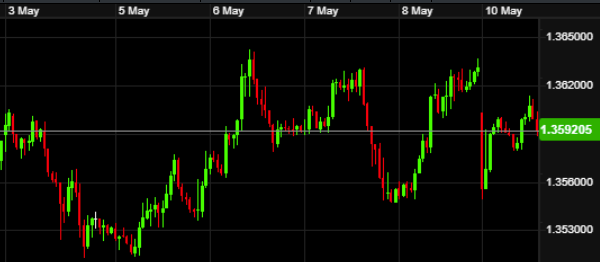
Naturally though, with the ebb and flow of US-Iran talks there is still considerable volatility for the US currency. GBP-USD may have closed the week at an almost identical position to that which it started, but there was a 1% range on the pair too. The trend remains upwards for now.
Another factor leading to Dollar weakness was the hangover from the previous week’s Federal Reserve meeting. Markets continue to digest the internal dissent that saw the first 8-4 voting split on the panel since 1992. Some officials opposed narrative suggesting future rate cuts are to come and it is this uncertainty about future policy that kept the Dollar more rangebound.
Of the fresh data, the first full week of May was focused on the latest US jobs figures. All of this pointed towards a further cooling of the domestic jobs market, again reducing expectations of interest rate hikes.
Whilst the mid-week JOLTS job openings release offered stability, the Friday Non-Farm Payrolls data for April wasn’t as buoyant. On the positive side, it far exceeded estimates with a published 115,000 jobs added to the economy, versus 65,000 forecast. This at least showed some resilience.
But the comparison was drawn against the previous month in which an upwardly revised figure of 185,000 was the yardstick. This continues to demonstrate a gradual cooling of the US jobs market, at a time where tariff costs and inflation are hitting American businesses hard.
In the simultaneous publication on Friday lunchtime, the headline unemployment rate remained flat at 4.3% but wage growth showed a further slowing at 3.6%. The latter was lower than forecast and concerningly close to the projected headline inflation figure to be published this week.
A narrowing gap between wage growth and inflation will put a further squeeze on consumer spending power, thus creating growth concerns for the wider economy. The most recent consumer sentiment figure also saw a sharp fall.
The week was therefore a story of a brief heightening of tensions with Iran in the early part which drove the Dollar, followed by the above data weakening the currency throughout the week. Movements on GBP-USD can be seen below:
Whilst the geopolitical situation also influenced GBP, the local elections in the UK were of more importance. The results of these, despite featuring heavy losses for the Labour Party, were not as bad as initially feared. Friday’s vow to remain at the helm from Sir Keir Starmer provided some relief to markets who had feared a leadership challenge.
The initial reaction was GBP-positive, albeit marginally. Government borrowing costs fell too off the back of the worst-case scenario being avoided, which some investors had priced in. With events and news headlines over the weekend threatening a leadership challenge. will the GBP confidence remain by close of business today?
Financial markets also continued to digest the Bank of England meeting from the week before. This saw a hawkish pivot from the Bank who suggested that future rate hikes may be necessary due to energy-driven inflation from events in the Middle East. Recent inflation data has all but erased the possibility of any short-term rate cuts.
Four members of the Bank’s nine-strong panel spoke last week. Governor Andrew Bailey remains cautiously optimistic that interest rates are in a reasonable place but is monitoring oil price shocks. Sarah Breeden sang a very similar tune.
Huw Pill, who was the sole vote for a hike in the late April meeting, is concerned about persistent inflationary pressure. He still believes fiscal tightening is necessary. Alan Taylor meanwhile is using economic history in his current decision making. Read into the above what you will.
Of data releases, the Services PMI publication for April was the main one. This showed an improvement to 52.7 amidst a slight pickup in business activity. More concerning though was the highest rate of inflation on raw materials since November 2022.
Also on the negative side, the Confederation of British Industry (CBI) recorded a record low in retail sentiment as consumers are feeling the squeeze. The report described UK activity since the start of the year as “tepid”.
With the European bank holidays on 1st May coming the day after the latest ECB meeting, markets were also still adjusting to the rhetoric. The hawkish tone was followed last week by two of the major policymakers suggesting a necessary shift towards tightening.
Both Isabel Schnabel and Joachim Nagel warned in speeches that interest rate hikes may be necessary as early as the June meeting to support against surging energy prices. A separate speech from Christine Lagarde noted the June meeting is “clouded by massive uncertainty”.
The ECB President declined to confirm that the Bank would tighten policy with a rate hike in mid-June, despite markets already pricing in such a move. Backing up her indecision, she gave a very modern response to Donald Trump and his recent actions “one tweet and the situation improves; another tweet and the situation worsens”.
The key for the ECB, as with all other central banks, is not to act too soon nor too late on policy changes. This too was at the forefront of Lagarde’s mind in another of her public appearances last week.
Tensions between Europe and the US also caused Eurozone concern last week. President Trump made further threats on the bloc of higher tariffs, relating to both a lack of European cooperation and also reciprocal tariffs not being removed.
Data from the continent was mixed too. German factory orders surged by 5.0% in March, well above expectations. But producer price inflation (PPI) rose by its highest rate since 2022. Naturally, this was down to energy cost rises.
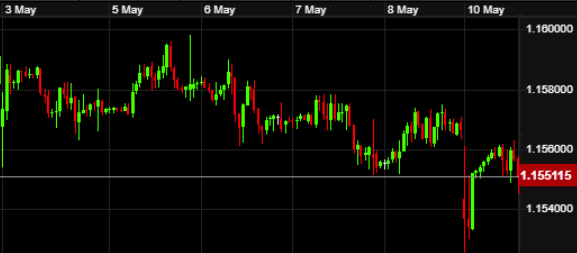
The limited movement on GBP-EUR last week (less than 0.5%) can be seen below:
The week ahead:
Tuesday – EU ZEW Economic Sentiment (10:00), US CPI inflation (13:30), Fed Chair Nomination Vote
Wednesday – EU Flash GDP (10:00), US PPI inflation (13:30), BoE Mann speech (15:00), ECB Lagarde speech (20:15)
Thursday – UK GDP (07:00), US Retail Sales (13:30), BoE Pill speech (16:15)
Friday – ECB Economic Bulletin (09:00)
The new week starts on a quiet note with little by the way of significant events. Unless you are Sir Keir Starmer of course who has spent this morning defending his Party’s local election results once again. That and his own position as Prime Minister. This topic is likely to drive GBP this week amidst thin market data.
The only significant UK release is the March GDP publication, arriving on Thursday morning. This will give a snapshot of how consumers tightened their belts amid rising fuel and energy prices caused by the Iran war. Predictions are gloomy, suggesting the 0.5% surprise growth in February will be followed up by -0.2% in March. Not a great look for a PM & Chancellor who are both hanging on by their fingertips.
A Thursday afternoon appearance from the Bank of England’s Huw Pill will also be important. The Chief Economist was the sole vote for a hike ten days ago and may add colour to that decision during a Natwest roundtable event in London.
US news will as always be geopolitics led, however there are other releases spread across the week. April’s CPI inflation release is expected to show a spike to 3.7% for the month as fuel and energy prices soared. Producer prices and retail sales also land throughout the remainder of the week. Will any of these change the ongoing stance of the Federal Reserve?
On which note, the latest step in Kevin Warsh assuming his role as the Fed Chair should fall into place this week. Full Senate approval should take place in the early part of the week, followed by a final confirmation in the following days. His official start date should be this Friday 15th May and his first policy meeting a month later.
Eurozone news is limited, with a GDP release for Q1 also due this week. Aside from that, a Wednesday evening speech from Christine Lagarde and Friday’s ECB Economic Bulletin are about it.
Geopolitics remain the focus globally, whilst the Pound will be driven by election fallout. Both of these scenarios are unpredictable and could see market movement in either direction. For more information on how to protect your pending currency conversions, make sure to reach out to the Aston team for more information.
Have a great week.
