
ACM Update 09-02-26
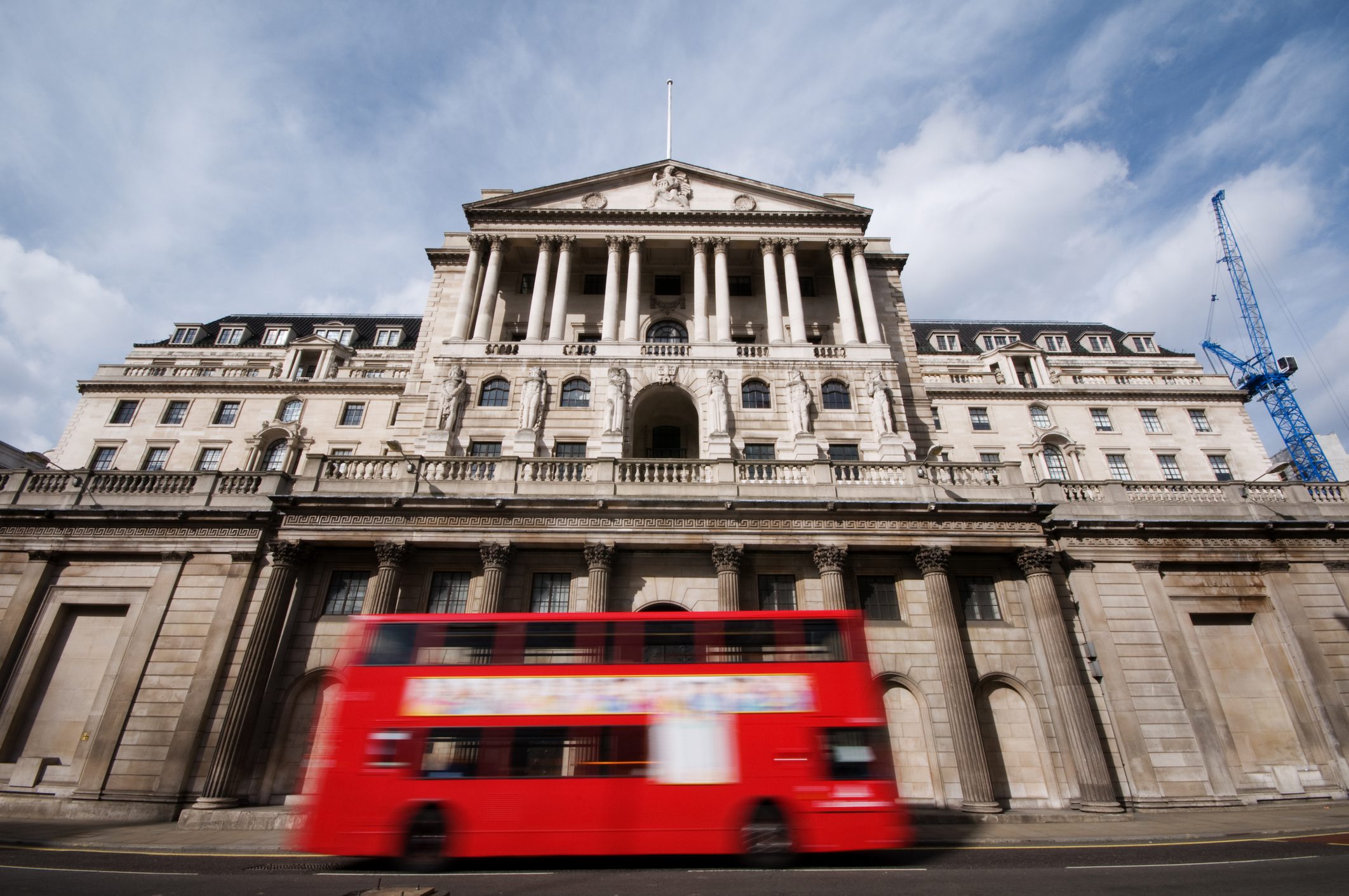
GBP ended an upward seven-week run against the Euro last week, as the Bank of England held interest rates and the ECB followed suit. UK growth and inflation forecasts were both revised down in the process. In the US, jobs data painted a weakening picture whilst the Non-Farm Payrolls figure saw a delay following the partial government shutdown.
This week now sees the release of the January NFP figure on Wednesday, as well as US retail sales, inflation and the December GDP reading from the UK.
What is becoming apparent from recent Bank of England meetings is a very divided committee on monetary policy. Either that or they love a Hollywood-style nail biting cliffhanger….
The first vote of 2026 saw the Bank’s Monetary Policy Committee locked in another 5-4 decision, with the casting vote as always held by Governor, Andrew Bailey. Despite recent form, this was much more of a close call than markets expected, which led to some GBP weakness come Thursday lunchtime.
Their decision was to hold policy rates, which was the forecast however. But the split led to greater expectations of a rate cut at the next meeting on 19th March. This was compounded by Bailey’s press conference comments on inflation, where he suggested that inflation could fall to the 2% target by spring, opening the door for further rate cuts in turn.
The inflation call from Bailey raised eyebrows, given December’s reading had shown a slight uptick to 3.4%. But the MPC forecast that cost of living measures from October’s budget would accelerate the disinflation process over the coming months.
On the other side of the coin was the Bank’s Chief Economist, Huw Pill. He warned that the decline in inflation projected for April will be due to one-off factors such as regulated energy pricing, rather than a complete cooling. He wants to focus on persistent forces such as wage growth to determine policy. Watch this space….
There was also a downward revision to GDP forecasts too though. The forecast for the year was revised down to 0.9% from the 1.2% previously suggested. The lack of growth is another reason why the Bank may look to cut interest rates sooner than later, which also led to sterling weakness.
UK political instability was also a factor of note, as a storm raged about Peter Mandelson’s previous appointment. Sir Keir Starmer was under pressure, his chief of staff resigned, and government approval ratings fell to a six-month low after a drop-off in investor sentiment.
From fundamental pieces of UK data, both the Manufacturing and Services sector PMI releases for January were in line with expectations. The construction sector meanwhile recorded its best figure (admittedly still the slowest decline) in seven months.
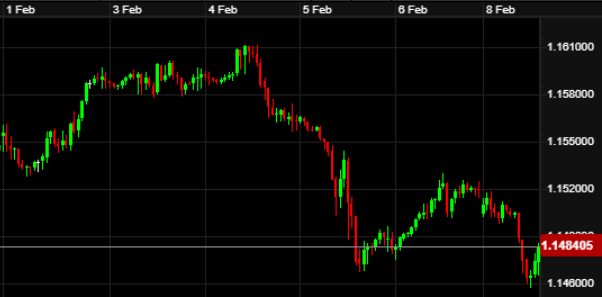
Overall, a few weaker days for the pound off the back of the Bank’s meeting, with a total range on GBP-EUR of circa 1.2%. The chart for last week is below:
On the continent, the ECB also held their first meeting of 2025. As predicted almost unanimously amongst economists, Frankfurt held interest rates for the fifth meeting in a row. This led to President Lagarde once again declaring that policy is in “a good place”.
Of note though will be inflation, as the CPI reading fell to 1.7% in January. This figure caused some market analysts to suggest the need for future rate cuts to come, to get inflation back to the 2.0% mandate. The Euro also weakened somewhat off the back of geopolitical changes which helped boost the USD.
Data releases were frequent for Europe during the week, with the usual range of Manufacturing and Services data to start the month. Overall, Manufacturing remained just in contraction territory, with Services expanding. Albeit the latter was a fraction under expectation.
Cause for concern came from retail sales volumes for the bloc in December though. This was down by -0.5% for the month, the worst monthly drop since May’s data. Another factor to keep an eye on for the ECB, and another reason for markets to marginally open the door for a potential rate cut.
Over in the US, despite a brief four-day mini shutdown of the Federal Government, the US Dollar regained ground overall throughout the week. The partial shutdown lasted four days, before President Trump signed a short-term agreement to take things through until an ominous Friday 13th February deadline.
The Dollar has recently benefitted from Donald Trump’s chosen pick of the next Federal Reserve leader. His nomination of Kevin Warsh has reassured markets, for now at least, that a flurry of interest rate cuts aren’t a guarantee for the coming months.
Being the start of a new month, the latest jobs data was in the spotlight. These releases continue to point towards a cooling US labor market, logically impacted by tariff-related pressures on the wider economy.
The December JOLTS figure for job openings, saw the reading drop to the lowest in five years. The jobless claims figures also showed a larger than expected increase when they were published on Thursday.
However, the headline figures of unemployment and Non-Farm Payrolls were delayed due to the latest shutdown, to be published this Wednesday instead. This left markets to speculate on the reading. We look ahead to those this week.
The Dollar also benefitted from external factors too, especially the interest rate decisions from the Bank of England and ECB. These slightly more dovish stances from both drove the Dollar more into favour. The Japanese election was also a factor in Dollar strength on the USD-JPY pair.
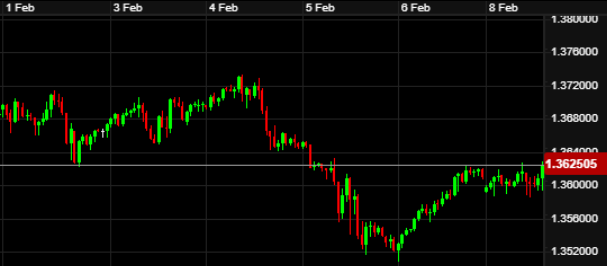
Movement on GBP-USD can be seen below:
The week ahead:
Monday – ECB Nagel speech (16:00), Fed Waller speech (18:30), BoE Mann speech (19:30)
Tuesday – BRC Retail Sales Monitor (00:01), US Retail Sales (13:30)
Wednesday – US Unemployment & Non-Farm Payrolls (13:30), Federal Budget Balance (19:00)
Thursday – UK GDP (07:00), US Unemployment Claims (13:30)
Friday – EU Flash GDP (10:00), BoE Pill speech (12:00), US CPI (13:30)
Following holds in policy from the Federal Reserve, Bank of England and European Central Bank to start 2026, central banks look to be on a cautious footing. The US seemed to be in more of a confident position regarding monetary policy, hence the slight uptick in USD of late.
Concerns remain though about the state of the US economy, specifically the jobs market. The latest news on this will land on Wednesday lunchtime, in the form of Non-Farm Payrolls and Unemployment data for January. Forecasts suggest another 70,000 jobs added and an unemployment rate remaining at 4.4% for the month. Any slowdown could see expectations for interest rate cuts return.
Other US data this week comes in the form of Retail Sales on Tuesday and CPI inflation on Friday. The latter is expected to see inflation tick down to 2.5% from the 2.7% plateau of the last two months.
UK data is mainly focused on the GDP release of Thursday morning. With the annual growth projection for 2026 now revised down to 0.9%, the 0.1% projected for December seems about as strong as can be hoped at present. Speeches from MPC members Catherine Mann & Huw Pill take place at the start and end of the week.
News on the continent will also surround growth, with the latest Q4 figure for the bloc projected at 0.3%. There are a couple of ECB policymaker speeches throughout the week too.
With the first round of interest rate meetings from the big three now behind us, there is perhaps now less certainty from each as to ongoing decisions. This has created volatility, which combined with geopolitics, is likely to continue. For any upcoming requirements, do make sure to reach out to the Aston team to discuss the various approaches available.
Have a great week.
