
ACM Update 23-03-26
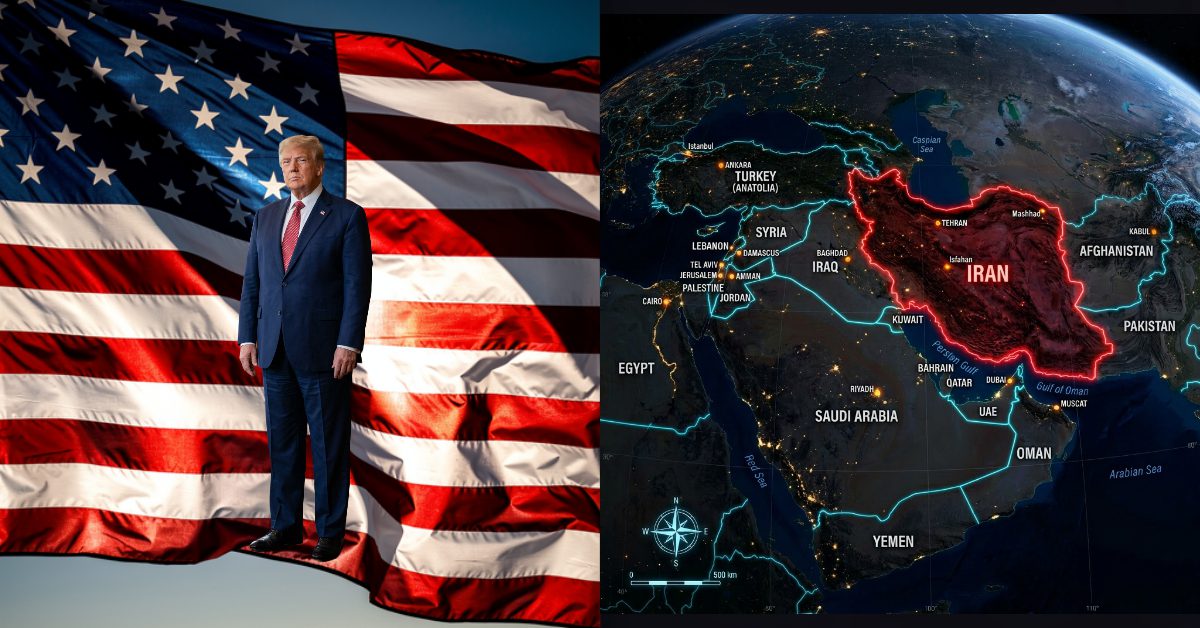
There were cautious and uncertain tones emanating from the year’s second round of central bank meetings. Most of the interest rate announcements last week were a “wait and see” hold in policy. The Iran conflict continues to drive safe haven currencies in the short term. Will this morning’s comments from Donald Trump see some calm restored?
This week will see the publication of the latest CPI inflation and retail sales figures from the UK economy for February, as well as several speeches from ECB and Bank of England policymakers.
As the world’s reserve currency, the US Dollar continues to ebb and flow off the back of factors relating to the war in the Middle East. With oil prices fluctuating wildly, concerns continue to mount on the impact this may have on energy prices, inflation and thus interest rates overall.
Despite this, the Federal Reserve was one of many central banks last week to announce holding interest rates at their current level. The committee implemented what was interpreted as a “hawkish hold” at its Wednesday meeting, striking a cautious tone with regards to the prospect of higher inflation to come.
In fact, Powell admitted that the US has not made as much progress on inflation as had been hoped for. The Fed Chair emphasized that future rate cuts would be dependent on further progress towards the bank’s 2% mandate, whilst acknowledging the Iran war was likely to complicate the inflation battle.
Powell did push back though on the idea that the US is entering a period of stagflation – where stagnant growth and high inflation both persist. The man at the helm also confirmed his intention to remain at the Fed, until the Department of Justice investigation targeting him is “well and truly over”. He will also remain as Chair pro tempore if his successor, Kevin Warsh, is not confirmed by the end of his term in May.
The Fed narrative led to some Dollar weakness midweek, where the “dot plot” of future interest rate cuts was adapted. This now suggests just one interest rate cut to come in 2026, with 14 of the 19 policymakers suggesting they see one or zero rate cuts to come in 2026.
The Dollar was further boosted in terms of US treasury yields rising later in the week. Concerns around war-related spending (as well as higher inflation) pushed yields higher and increased the attractiveness of the US Dollar.
PPI data also saw the Dollar gain ground, as a hotter than expected figure for producer price increases ramped up overall inflationary concerns. With the price of oil climbing again and US interest rates to remain where they are for the foreseeable it seems likely the USD will remain on a steady footing for now. Especially for as long as the war in Iran continues.
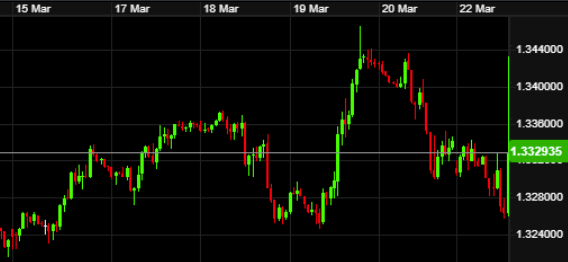
For now, movements on GBP-USD last week can be seen below.
The Thursday lunchtime Bank of England meeting also delivered a “hawkish hold” in interest rates. Following months of 5-4 decisions, the committee were unanimous in holding policy for the first time in four and a half years, some 35 meetings ago. The Bank also declared themselves “ready to act” on interest rates should pricing pressures persist.
Geopolitical shocks coming from the war in Iran have led the policymakers to raise immediate-term UK inflation forecasts too. Higher energy costs are projected to take inflation back to 3.5% again, which was the major factor behind the decision to hold. As recently as the end of February, markets were forecasting a cut with an extremely high degree of certainty.
Mixed employment data also weighed heavily on GBP last week. January saw the unemployment rate remain at 5.2% which admittedly was better than the 5.3% nudge upwards that markets had expected.
Wage growth meanwhile had slowed, down from 4.2% in December to 3.9% in January, marking the lowest reading in 17 months. This does bring the reading closer to headline inflation, reducing spending power for consumers. However, with external factors such as the war in the Middle East likely to push inflation back up and strangle spending, it does not bode well for the growth prospects of the UK economy.
In further bad UK news, public sector borrowing for February was almost £6bn higher than markets were projecting. This combined with UK bond yields rising to their highest level since the 2008 crisis, means the UK is borrowing more and paying more for that privilege at present. Overall, across the first 11 months of the current financial year, Government borrowing is down though.
Late on Friday, GBP lost some ground as a result of technical retreats and profit taking. This came following the slight rally after Thursday’s Bank of England announcements. Despite circa 1.6% worth of swing, GBP-USD closed at a similar level to that which it opened the week.
To complete the three major central banks, the European Central Bank also voted to hold interest rates last week. Their Thursday decision was delivered with more of a neutral stance than the Bank of England for example, which saw the Euro lose a little ground during the afternoon.
Christine Lagarde and colleagues also upped their own inflation forecast for the year to 2.6%. This comes from concerns relating to energy prices once again, for which the Eurozone is a net importer. Given the sluggish growth on the continent, there are also concerns about the knock-on effect on GDP overall. The forecast for 2026 was downgraded to 0.9%.
In her post-decision speech, Lagarde stated that the Iran war has made the economic outlook “significantly more uncertain”. She also warned EU member states against implementing cost-of-living support packages aimed to soften the impact of the war, to avoid further fuelling inflation.
For now, the latest Eurozone CPI inflation release for February showed 1.9%, however naturally this is expected to jump in the next round of data.
Across other central banks, the Bank of Canada, Bank of Japan and Swiss National Bank all voted to leave policy unchanged last week. Only the Reserve Bank of Australia, who are already battling persistent inflation of 3.8%, voted to increase interest rates by 0.25% to 4.10%.
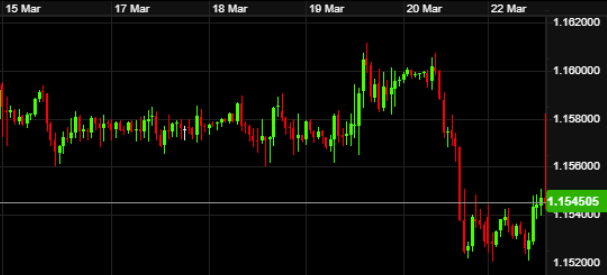
Last week’s GBP-EUR movements can be seen in the chart below:
The week ahead:
Monday – EU Consumer Confidence (15:00)
Tuesday – EU/UK/US Manufacturing & Services PMI data (08:15-13:45), ECB Nagel speech (15:00)
Wednesday – UK CPI inflation (07:00), ECB Lagarde speech (08:45), BoE Greene speech (12:00)
Thursday – BoE Breeden speech (09:30), US Unemployment Claims (12:30), BoE Taylor speech (16:00), BoE Greene speech (16:30)
Friday – UK Retail Sales (07:00)
Into the final full week of Q1 then, with geopolitics remaining the key driver. Further escalation over the weekend in Iran has seen the USD gain slight ground this morning, close to the levels seen after the Fed announcement last week. One can expect this to be almost the sole driver of the Dollar this week.
Comments this morning in relation to productive talks between the US and Iran have given some confidence to calm in the Middle East. It will be interesting to see how that develops this week, but if proved accurate this could weaken off the USD.
On market data, announcements from the US are limited. The latest manufacturing and services sector data comes on Tuesday, whilst the usual weekly unemployment claims arrive on Thursday lunchtime.
The UK economy has the majority of the data events. Wednesday’s UK inflation release is projected to see February inflation remain flat at 3.0%. Important to note that this release is from prior to the war in Iran starting, but any bounce back up will not be a good sign regardless. Retail sales data for the same month appears on Friday morning.
For further insight, make sure to reach out to the team in what will naturally be an ever-changing situation.
Have a great week.
