
ACM Update 17-08-26

The US Dollar continued to lose ground last week as cooling inflation data sent Federal Reserve rate hike bets plunging. The recent July payrolls miss and a drop in consumer spending have led to further fears for economic growth. In the UK, Q2 GDP figures showed resilience and pushed Sterling-Dollar to a three-month high.
This week delivers a range of UK data releases covering unemployment, Government borrowing, retail sales and the latest inflation data for July. The minutes from the recent (and divided) Federal Reserve meeting are published on Wednesday evening.
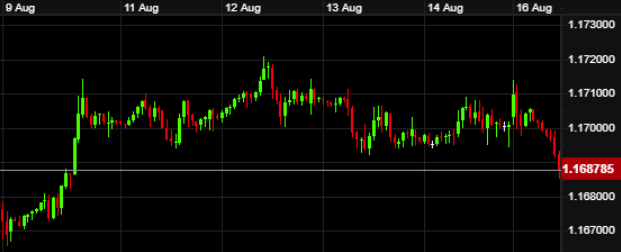
Another poor week of US data meant further losses for the US Dollar. The currency lost ground against both GBP and the Euro across the week, with three- and two-month lows respectively. The Dollar Index itself also met a two-month low at around 99.75.
There was an assortment of factors which drove the weakness, starting off with the July CPI inflation numbers. These came in bang on market consensus with a fractional slowing from 3.5% to 3.4%. A lot of this move was down to a drop in gasoline prices amidst the July easing of tensions in the Middle East. But with the back-and-forth nature of the conflict, fuel prices are not expected to remain low.
The inflation figures led to plunging market bets for a rate hike at the next Fed meeting and beyond. After the data, market expectations of a September rate hike dropped from 55% to 40% probability, a move which sharply weakened the Dollar. This in turn drove US treasury yields lower, generating further selling pressure.
Friday then saw the Dollar suffer a sharp daily loss as retail sales data for July saw a contraction. The monthly change from June was -0.6% following on from favourable figures for Q2. Consumer sentiment data from the University of Michigan also trended negatively, whilst inflation expectations headed higher. This combined with the recent contraction in US jobs is demonstrating a level of concern amongst both American individuals and businesses.
Whilst domestic data itself was weak, a lot of the outflows from the currency itself headed into Wall Street as tech-related stocks benefitted. The Nasdaq itself is up 5.5% this month.
Geopolitics perhaps helped stem further losses for the Dollar. The standoff between US/Israel and Iran meant that the currency is still protected by a safe haven buffer. The lingering threat of an ongoing conflict has helped keep the Dollar afloat. Wednesday’s Federal Reserve meeting minutes may be key as to Dollar direction ahead.
Movements on GBP-USD last week can be seen in the chart below:

It was a good week for the Pound though as resilient GDP figures saw the economy expand by 0.4% in Q2 which was in line with estimates. Admittedly, this was a slowing from Q1’s 0.6% but was enough to secure the UK’s position as the fastest growing G7 economy in the first half of the year. This was a point that the new Chancellor, John Healey, was keen to hammer home despite him not being in post for any of the period in question.
Healey was happy with the figures which admittedly had the added boost of both World Cup spending and sunny weather in June contained within them. He declared that the UK now needed to “double down and drive growth in every postcode”. What will the first Burnham-Healey Budget in October deliver towards this?
Despite a great spell for the services sector, the underlying data showed drops in industrial production and manufacturing in the period. This limited any major upside potential for GBP, despite the poor Dollar data already mentioned.
One significant figure to speak publicly regarding the growth data was Huw Pill. The Bank of England’s Chief Economist suggested the stronger-than-expected figures support his case for economic resilience and thus the need for higher interest rates to control inflation. This continues his rhetoric for some time now that interest rates are already too low.
Pill also pulled out a stat regarding his almost five-year tenure on the Monetary Policy Committee. He noted that of the 59 months he has spent on the panel, inflation has been at or below target in just three of those months. “It matters to me” was his parting comment to the Wall Street Journal.
Even the Nigel Farage vs Count Binface battle of Clacton couldn’t detract from a good week for GBP…
On the continent, the Euro has been held back of late by the continuing differential between the UK/US and European interest rates. But with the inflation data in the US pointing towards another likely hold in September, the gap should be no wider by the end of that month. With EU inflation ticking higher, the possibility remains for another “data-dependent” rate hike from Lagarde & co.
Data releases have been mixed during August. The recent GDP data for Q2 matched market estimates with consistent but modest levels of expansion. Trade balance data (imports vs exports) for June also offered some support to the currency. National inflation releases were also in line with projections, suggesting persistent but predictable inflation readings. Some of the US data later in the week also saw favourable conditions for Euro appreciation.
Geopolitics remain crucial to the fortunes of the single currency. With the back-and-forth situation in the Strait of Hormuz, oil prices remain high. With the continent’s exposure to imported energy, higher oil prices have a knock-on effect on manufacturing & industrial production data. This limits any current positivity for the Euro on the basis that economic growth may be hindered.
Aside from a slight Monday morning uptick, it was a fairly flat week for Sterling-Euro. Movements on the pair can be seen in the chart below:
The week ahead:
Monday – Canada CPI inflation (13:30)
Tuesday – UK Claimant Count/Average Earnings/Unemployment (07:00), EU & German ZEW Economic Sentiment (10:00)
Wednesday – UK CPI inflation (07:00), EU Final CPI (10:00), Federal Reserve Meeting Minutes (19:00)
Thursday – US Unemployment Claims (13:30)
Friday – UK Retail Sales & Public Sector Net Borrowing (07:00), EU/UK/US Flash Manufacturing & Services PMI (08:15-14:45), EU Consumer Confidence (15:00)
With the US economy coming under scrutiny again, the main event of this week from the US is timely. Wednesday evening’s (UK time) release of the Federal Reserve minutes from the end of July meeting will offer some more information as to the divisions within the committee. Are there enough dissenters to lean the panel towards a September hike, or has last week’s data squashed that possibility completely?
Aside from that, US Dollar drivers will be limited to Thursday’s weekly unemployment claims figure and Friday’s Flash PMI readings. That and any further geopolitical developments in the Middle East. The softening of inflation definitely has the Dollar on the back foot.
In the UK there is an array of data to keep an eye on. Tuesday morning will deliver the latest bundle of jobs figures. Average earnings are predicted to fall somewhat again to 4.0%, bringing them closer to headline CPI inflation. This would also reduce the need for a Bank of England rate hike to come, through reduced consumer spending power. Unemployment itself is expected to tick down also. Both of these readings are for June.
That said, the latest UK CPI inflation reading for July is published 24 hours later on Wednesday morning. This is forecast to have moved back up from 2.6% to 2.9% which would be the highest reading since March, at the start of the Iran war. A print in line with this could help Huw Pill sway more of his fellow policymakers back towards a rate hike.
Retail sales data and Government borrowing figures are also published on Friday morning. The former is expected to show a month-on-month contraction of -0.3% for July.
On the continent, we also have inflation data published on Wednesday morning. This is also for July, but is the “final” figure, expected to confirm 2.9% for the bloc. Consumer confidence figures close out the week on Friday afternoon.
Overall, the Dollar now seems to be on the back foot through weaker data, softer inflation and the easing of geopolitical tensions. Barring something drastic emerging from the publication of the Federal Reserve minutes, that looks likely to remain the case.
On the other side of the coin though, GBP is very much in the pound seat (excuse both puns), albeit tentatively. Any surprise uptick in July inflation will only support the British currency, especially with the quieter trading volumes in the markets given the time of year.
As always, to discuss in more detail any pending currency exchange requirements you may have, make sure to reach out to the team for assistance.
Have a great week.
