
ACM Update 16-03-26
With oil prices spiking as the conflict in the Middle East escalated, the US Dollar continued to gain ground across the board last week. In the UK, another month of flatlining GDP in January has led to further fears of stagflation in the economy.
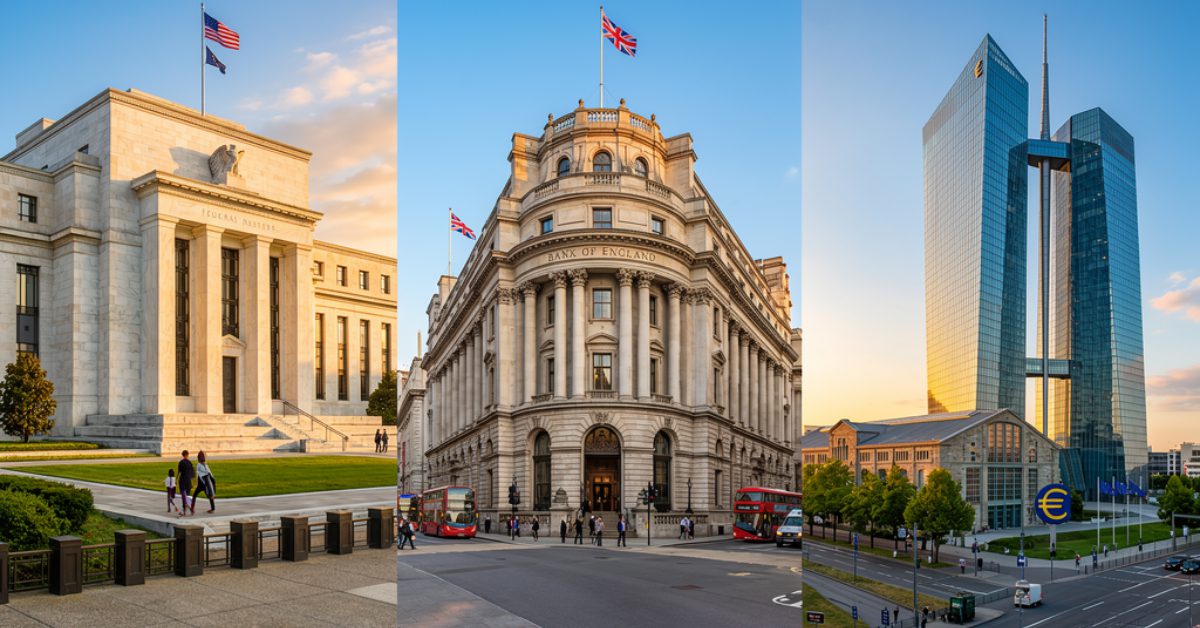
This week brings a trio of big central bank meetings from the Federal Reserve, Bank of England and European Central Bank, as well as many others globally. All face decisions that will now need to be based on how they expect the situation in Iran to impact their respective domestic economies.
Despite suggestions from Donald Trump in the early part of the week that “Operation Epic Fury” might be coming to an end soon, the situation in Iran and the wider Middle East region continues to worsen. Trump’s narrative saw investors flow away from safe haven assets, albeit temporarily.
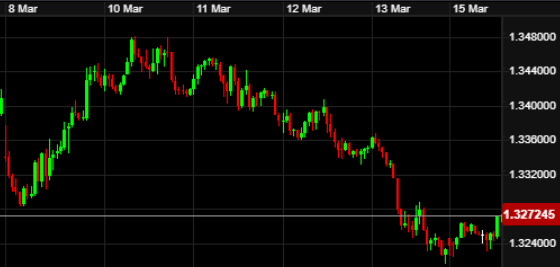
The US Dollar remains the world’s reserve currency in times of uncertainty, and it was this which pushed the currency almost 2% stronger against GBP & EUR in just a matter of days last week. This took GBP-USD to a 3-month low and EUR-USD to its worst in over seven months.
The conflict pushing the price of oil to over $100 a barrel saw massive oil reserves released, but that didn’t stop huge concerns about inflation. Global and US stock markets fell as a result of the crisis too. This all boosted the US currency.
These inflationary concerns have seen markets scale back expectations for US rate cuts in 2026. Current expectations are at 99% for the Federal Reserve to hold rates this Wednesday evening, with most now predicting the position to remain stable until at least June. A clear path of stable interest rates was another Dollar-positive factor.
Domestically though, the conflict hid some further weak US economic data. The Q4 preliminary GDP release came in at a disappointing 0.7%. This figure was half of the initial estimate of 1.4% released the month prior and marks a considerable slowdown from the 4.4% in Q3. The 43-day government shutdown was naturally a major factor, knocking about 1% off totals.
The February CPI inflation reading from the US showed 2.4% to match January. Naturally this is all before events in Iran started. The conflict will also be impacting the Federal Budget deficit, which in February was $307.5bn for the month, thus hitting over a trillion US Dollars in the first five months of their fiscal year. Truly eye-watering numbers.
To follow up the dire Non-Farm Payrolls figures of the week before, the JOLTS Job Openings figures at least came in above expectations. That said, the previous month was revised down heavily.
Overall, the Dollar remains heavily at the mercy of events in Iran and the Middle East, as shown in the chart below:
In the UK, the strength of the Dollar wasn’t the only factor pushing GBP-USD lower last week. Further poor economic data, combined with expectations of inflation heading back upwards have brought the topic of stagflation back to British soil.
Amidst an expectation of 0.2% growth for January, the UK economy produced a flat-lining 0.0% instead for the month. This puts the three months to January at just 0.2% worth of expansion. The services sector, which accounts for 80% of the economy, showed no growth at all either as Brits cut back on eating out particularly. Rising fuel prices in the month were likely a contributory factor in this.
Other worrying figures came from industrial output data. These figures showed that industrial production fell by 0.1% in January, whilst manufacturing production managed a mere 0.1% growth. Both of these were short of market expectations.
With oil price volatility creating concerns of a spike in inflation, the Bank of England’s policymakers have a tough call on their hands this week. Prior to the end of February, expectations of an interest rate cut in this meeting were running at some 86%. Given the conflict though, such a move is being questioned. Roughly that percentage is now seen as the likelihood for a hold.
Naturally though, the nine committee members will all have their own opinions. Two of these nine spoke at events last week, Andrew Bailey & Sarah Breeden. That said, their speeches were not directly related to monetary policy, bar Bailey stating that “financial stability is a precondition for growth”. GBP continues to lose ground vs the Dollar, but makes modest gains versus the Euro.
In Europe, the single currency continues to be adversely impacted by events in the Middle East. Fears of a larger expansion into the eastern side of the continent have dampened sentiment for the currency also.
With a large exposure to changes in energy prices, there is considerable fear that the war will push inflation back up considerably across member states. For example, Dutch natural gas prices jumped by 50-60% last week. Such factors are also impacting growth forecasts as a direct result.
Market sentiment for European interest rates has shifted considerably of late. Traders have now priced in two interest rate cuts for the remainder of 2026, required to combat “energy-driven inflation”. It will be interesting to see how the narrative changes in this week’s ECB meeting on Thursday lunchtime.
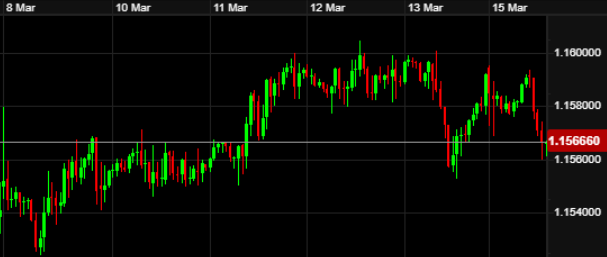
Sterling-Euro traded within a relatively narrow range of around 0.5% last week, peaking at just short of a six-month high. Movements on the pair can be seen in the chart below:
The week ahead:
Monday – UK Rightmove House Price Index (00:01)
Tuesday – Reserve Bank of Australia rate announcement (03:30), EU/GER ZEW Economic Sentiment (10:00), ECB Nagel speech (15:15)
Wednesday – US PPI inflation (12:30), Bank of Canada rate announcement (13:45), Federal Reserve rate announcement (18:00) & Press Conference (18:30)
Thursday – Bank of Japan rate announcement (03:00), UK Unemployment (07:00), Swiss National Bank rate announcement (08:30), BoE rate announcement (12:00), ECB rate announcement (13:15) & Press Conference (13:45)
Friday – UK Public Sector Net Borrowing (07:00), ECB Nagel speech (17:00)
A busy week of rate announcements lies ahead, with seven of the most influential central banks meeting across the space of three days. For the vast majority of our clients, the most significant will be the Federal Reserve, Bank of England and European Central Bank.
Wednesday evening’s Federal Reserve announcement takes place at 18:00 UK time, an hour earlier than usual due to US clocks having gone forward of late. This is highly expected to see no change, as Jerome Powell and his colleagues determine what economic impacts will come from the Iran conflict. The Fed Chair’s press conference follows on at 18:30, which will likely be more useful in determining the future path of the US Dollar.
The Bank of England are next on Thursday lunchtime (midday). Previous expectations for a rate cut have also now swung to a strong likelihood of a wait and see hold in policy, despite inflation coming down in the latest figures and sluggish economic growth. Naturally, more recent events will have impacted both.
The European Central Bank make their decision at 13:15 which up until recently would have been a foregone conclusion of no change. Rates are expected to remain on hold still, but the Christine Lagarde press conference 30 minutes later, may give some idea as to the level of concern the conflict is causing within the Frankfurt ECB headquarters. Will we see rate hikes to combat energy spikes later on this year?
Aside from that, the geopolitical situation in the Middle East will remain a major driver of the USD and markets overall. Developments there will be key this week too.
Given the multiple per cent movements during the week, ensuring your bottom-line figures are protected is paramount at the moment. Aston has a range of different approaches to this, so please do get in touch to discuss ongoing requirements.
Have a great week.
