
ACM Update 12-10-26

FX markets were calmer last week with less than a per cent of movement for GBP against both the Euro and US Dollar. Sterling-Euro nudged to a 16-month high though and opens the new week circa 1.18 as November rate hike momentum builds at the Bank of England.
The main events of this week will come from the International Monetary Fund’s annual gathering in Bangkok, where speeches from many global central bankers will take place. Outside of this, US CPI inflation for September arrives on Wednesday whilst UK GDP for August is released on Thursday.
The “higher for longer” mindset continued to support the US Dollar last week, with the greenback maintaining a strong foothold against other major currencies. The release of the mid-September Federal Reserve meeting minutes showed a unanimous vote for a hike, but for differing reasons.
The level of support behind the hike remains a major factor in recent Dollar strength. The twelve voting members were split though as to why they backed such a move. A portion opted for the hike to protect the economy against rising energy prices and supply issues. Others saw it necessary to keep domestic demand under control through restrictive policy. Whether looking at the supply or demand side of things, all felt the hike necessary.
Where the panel goes next remains an intriguing question, however. Following the minutes, the narrative suggested most members see scope for at least one more rate hike before the end of the year (from the two remaining meetings). This is based on the high inflation and resilient US jobs sector.
But financial markets themselves expect a pause in the upcoming October meeting, with the next hike projected in December. This comes off the back of September’s softer employment data reducing the urgency of such a move. For now, markets are pricing in December’s hike at a 70% probability.
The Dollar also gained from the escalating conflict across the Middle East. With further Iranian-backed Houthi attacks on Saudi Arabia and its infrastructure, traders moved into the safe haven USD, assisting the currency. Oil and energy prices remained elevated despite Trump’s attempts to broker a deal to increase supply. This comes conveniently just before the US Midterms….
On the negative side for the Dollar is the hangover from the previous Friday’s Non-Farm Payrolls data. The weaker figures have added some slight nerves that the US employment sector isn’t faring as well as hoped, meaning Fed rate hikes may have to be slowed to support it. This held the Dollar back briefly, but the US economy is still considerably outperforming Europe and Japan for example, thus did not feel too much of a hit.
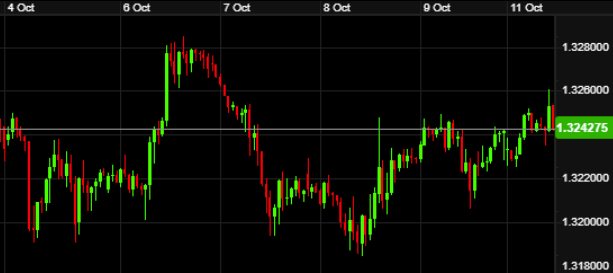
The narrow range on GBP-USD last week can be seen in the chart below:
In the UK, the currency also remains driven by future rate hikes. The noticeable recent change in wording from the Bank of England Governor, Andrew Bailey, has seen markets building in an expectation of a hike in the next meeting. His comments around stubborn and sticky inflation are a shift from the man who has the casting vote on the panel.
Other members of the voting committee have recently raised similar concerns leading into the 5th of November meeting. Markets are (for now) pricing in a 25-basis point rate hike at between 80-90%, especially given elevated energy prices driving inflation.
One factor that could change the BoE’s tactic is the looming “fiscal anxiety” from the October Budget. With concerns regarding unjustified spending from Burnham & Healey, fears of rising public debt could see the committee forced to pause their likely hike.
Public spending has also softened slightly in the run up to the Budget, as it did with predecessor Rachel Reeves, 12 months ago. A Budget which contains tax hikes may also reduce the need for a UK rate hike if it slows consumer spending further, as this would slow inflation.
For now, inflation remains high and the UK economy itself continues at a steady (ish) pace. The GDP reading for August is released this week on Thursday morning, projected to show a -0.1% drop from the month before. If correct, this would be the first monthly contraction since April’s data.
On the continent, Europe finds itself making a lot of headlines. The protests and fiscal panic across France, Spain and Italy are seeing the currency on the back foot. The French situation specifically continues to escalate, with concerns about the country’s massive budget deficit coupled with political gridlock. The well-publicised education protests continue to spiral out of control also.
Concern was further displayed in the gap between yields last week, as French & Italian bonds saw vast gaps against German equivalents. Sovereign debt nerves across the continent pulled down the Euro overall.
The delicate position of the Euro was evident in the latest ECB minutes, which were published on Thursday. The September meeting was unanimously in favour of a 25-basis point hike, however the focal point was a lean towards a future policy pause.
Policymakers for now believe that inflation remains “contained” and stable, with the Bank’s Chief Economist, Philip Lane, comfortable with the current position. He commented to Reuters in an interview since that feared second-round effects of inflation have not yet materialised.
The panel also raised concerns about the future, stating “a further rise in long term interest rates could adversely affect growth”. This increases the belief that the ECB are wary of prolonged periods of high interest rates and the impact they have on the economy.
Other projections included upgraded inflation forecasts to 3.0% for 2026 and 2.5% for 2027, in light of the Iran war and the related impacts. The ECB maintains that interest rates at their current levels remain “neutral”.
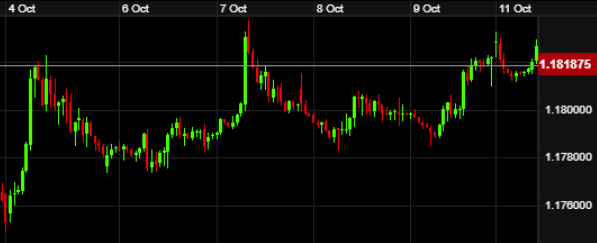
The widespread unrest and bond market uncertainty was definitely Euro-negative last week. The single currency fell to a 17-month low versus the Dollar and a 16-month low against the Pound in the process. Movements on the latter can be seen in the chart below:
The week ahead:
Monday – US BANK HOLIDAY, IMF Meetings (all week), BoE Mann speech (13:50)
Tuesday – BoE Greene (04:00), Fed Waller (08:45), BoE Dhingra (17:00), Fed Barkin (18:00) speeches
Wednesday – ECB Lagarde (03:10), BoE Breeden (04:30), BoE Bailey (06:30), BoE Pill (07:00), ECB Lagarde (09:30) speeches, US CPI inflation (13:30), Fed Beige Book (19:00)
Thursday – BoE Pill speech (04:35), UK GDP (07:00), BoE Greene (07:45), BoE Bailey (08:30), BoE Breeden (09:45) speeches, US Retail Sales (13:30)
Friday – BoE Bailey (03:00), ECB Nagel (03:30), Fed Warsh (04:30) speeches, EU Final CPI (10:00)
This week’s focus is unusually on Bangkok, where the 2026 annual International Monetary Fund meetings are taking place. The six-day event begins today (Monday) and will see speeches from many different corners of the European Central Bank, Federal Reserve and Bank of England.
The head of each of these institutions hold at least one speech during the week, which may provide direction for ongoing monetary policy. Given the sheer number of speeches, we could well see considerable volatility (depending on narrative) given the unpredictable nature of these.
Outside of the Thai capital, there are other events to consider. From the US, the latest inflation print arrives on Wednesday lunchtime, projected to show an uptick to 3.6% in September. Given the record highs for fuel prices, this could easily come in hotter than forecast.
Also on Wednesday but in the evening is the publication of the Fed’s Beige Book, containing decision-making data for policymakers. This also serves as the two-week warning for the next Fed meeting. The US also has their latest Retail Sales figure on Thursday afternoon.
For the UK, it feels like most of the Monetary Policy Committee are in Thailand at the IMF event. Aside from that, the latest UK GDP reading for August is published on Thursday morning. This is forecast to show a small contraction as mentioned already.
On the EU-side, eyes will remain on the news from Spain, France and Italy. Any further headlines there are likely to overshadow the only real data of September’s CPI confirmation, which should show an escalating 3.8%.
Plenty to keep an eye on this week. Reach out to the Aston team to discuss any upcoming payments.
Have a great week.
