
ACM Update 05-10-26
A September Payrolls slowdown in the US, infighting at the Monetary Policy Committee and spiking Eurozone inflation. Q4 kicked off with a bang as Sterling-Dollar hit a three-month low, whilst GBP-EUR currently sits a fraction off a 16-month high.
Standout events for the coming five days will include the minutes from both recent Federal Reserve and European Central Bank meetings. With the next meetings for both organisations in just three weeks, will these offer any clues as to likely policy action?
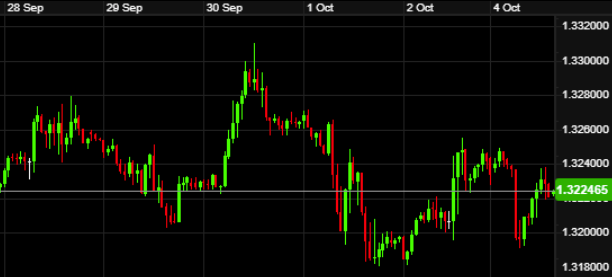
As of late, the US Dollar made further gains last week as the Dollar Index (DXY) headed towards 18-month highs around the 102 level. It wasn’t all one-way traffic though, as weaker data towards the end of the week saw a reversal.
The Dollar began the week driven by the recent hawkish rhetoric emanating from the Federal Reserve a couple of weeks ago. The mid-September quarter-point hike continues to see the US currency maintain a yield advantage against other majors, as well as keeping longer-term Treasury yields at multi-decade highs.
Some other US data published during the week offered positivity. The second quarter GDP reading was upwardly revised, seeing the economy record 2.2% growth for the period, following Q1’s 2.5%. This was well above the previous Q2 estimate of 1.5% and paints a picture of a robust America, despite headwinds.
The main supporting areas in the growth were strong consumer spending, investments in AI infrastructure and the performance of big US corporates. Favourable manufacturing data was also published during the week. These releases, at least at the time, showed investors that the US economy is capable of growth even at higher interest rate levels, leaving room for potential further hikes.
But data in the second half of the week wasn’t leaning in the same direction. The Fed’s favoured inflation measuring tool of Core PCE saw inflation remain at the same pace (annually) in August at 3.0% which was a fraction below estimates. Two Fed Presidents then publicly pushed back against the possibility of a second consecutive rate hike, which limited Dollar gains.
The major thorn in the side of Dollar gains came in the form of the latest jobs data. Published on Friday, the Unemployment and Non-Farm Payrolls combo painted a sluggish picture for September. Following August’s blockbuster, things fell off a cliff with just 29,000 jobs added to the economy in September versus expectations of circa 90,000.
To add insult to injury, the August number was also downwardly revised by circa 30,000 jobs. Headline unemployment itself also ticked up to 4.2%, which marked the highest in three months. This weaker jobs data saw the chances of an October rate hike from the Federal Reserve drop significantly, leading to a late-week Dollar sell-off.
Geopolitics naturally remained in the frame, as talks between the US & Iran continued to stall. Oil prices remained high and thus the threat of further energy price shocks supported the Dollar’s safe haven status.
The back-and-forth movements on GBP-USD last week can be seen in the chart below:
Sterling was driven more by policymaker comments than by specific data releases last week. The British currency saw few figures published, but the one that was at least was positive. The final publication on Wednesday morning of Q2 GDP saw a slight upward revision to a 0.5% growth for the period. Albeit the “World Cup effect” may well have provided an uptick.
The majority of GBP direction came from the plethora of Bank of England comments throughout the week. Four of the nine vote-casters spoke, producing mixed views.
Alan Taylor – stated that the current argument to raise interest rates was “not compelling” on the basis that surging energy prices alone are not enough to justify a policy change. He also poured cold water on a single hike being enough to dampen inflation.
Catherine Mann – the ever-hawkish member moved to openly criticise her employer’s communication strategy, highlighting errors in the policy response to the war in Iran. Mann continues her push for higher interest rates to get inflation back to 2%.
Dave Ramsden – another hawkish push from the Bank’s Deputy Governor who had expected “at least two cuts” by this point in 2026. This view has since been changed by the Iran war however. If further inflation pressures continue, he stated that an increase in policy rate could become appropriate.
Andrew Bailey – for now the Governor remains neutral to slightly hawkish. Bailey believes the pass through of costs from the Iran war is still causing parts of the economy to remain “subdued”. Looking ahead, he sees current policy levels will be harder to maintain if energy prices remain elevated.
With crude prices remaining high and further upward inflation pressure looking likely, the BoE will have a big decision in a month’s time. The Autumn Budget remains a destabilising factor too, as businesses remain cautious in the run-up. We may have a new Chancellor, but we have the same pre-Budget nerves from UK businesses.
The Euro was on the receiving end of market downside movement last week. This was largely driven by a combination of increased inflation, elevated energy prices and turmoil in the European bond market. The single currency is sitting at a 16-month low versus the US Dollar this morning.
Inflation on the continent has continued to edge up despite policy action from the ECB. September’s CPI inflation reading spiked to 3.8% year-on-year, up from the 3.2% in August and even exceeding the 3.6% forecast. Looking individually, the biggest nations of Germany, France, Spain & Italy all recorded figures above expectation.
This leaves the ECB in a challenging position, where despite low growth they would like to raise interest rates further to control inflation. In the process they run the risk of suffocating the Eurozone’s little growth to a crawl, however.
Other concerns still relate to energy prices, a move which saw G7 leaders agree to tap into diesel reserves to help. France is back in the spotlight, where debt is facing a risk premium due to fiscal concerns and political gridlock. This was even before the widespread education protests which are spilling over into this week.
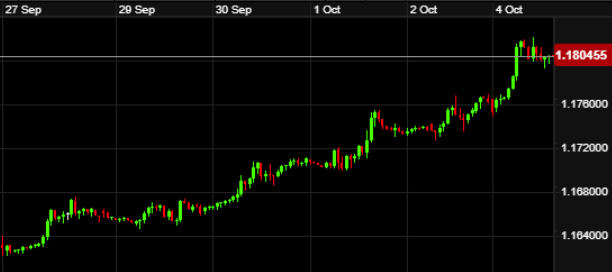
Adding to this the well-publicised protests in Spain over the weekend plus the calling of a snap election and it is easy to see why the Euro is on the back foot. This morning, GBP-EUR sits a mere fraction from a 16-month high itself. Movements on the pair last week can be seen in the chart below:
The week ahead:
Monday – EU/UK/US Services PMI (08:15-15:00), ECB Nagel speech (08:45)
Tuesday – BoE Mann speech (09:30), EU Retail Sales (10:00)
Wednesday – Federal Reserve Meeting Minutes (19:00)
Thursday – BoE Greene speech (10:015), BoE Pill speech (11:30), ECB Meeting Minutes (12:30), BoE Lombardelli speech (14:00)
Friday – US UoM Consumer Sentiment & Inflation Expectations (15:00)
A new week opens with Europe in the headlines with protests on both sides of the Pyrenees and also the calling of a snap election in Spain. These will no doubt be discussion points when the Eurozone finance ministers meet later in the week.
The main events of the week will be publications. The meeting minutes of the recent Federal Reserve and European Central Bank meetings are published on Wednesday and Thursday respectively. Both bank heads are in the business of keeping their cards close to their chest, thus these minutes are often the only gateway into the thoughts of the panel.
Clients requiring USD-based conversions should pay close attention to Dollar movements. The currency remains very strong and that is likely to remain the case, unless we see a change in the geopolitical climate. The UK side remains very much dictated by the upcoming Budget nerves.
For any upcoming foreign exchange requirements, get in touch with the Aston team via the usual channels.
Have a great week.
